
Recipes At Door

Print
clockclock iconcutlerycutlery iconflagflag iconfolderfolder iconinstagraminstagram iconpinterestpinterest iconfacebookfacebook iconprintprint iconsquaressquares iconheartheart iconheart solidheart solid icon
biyani Recipes at Door

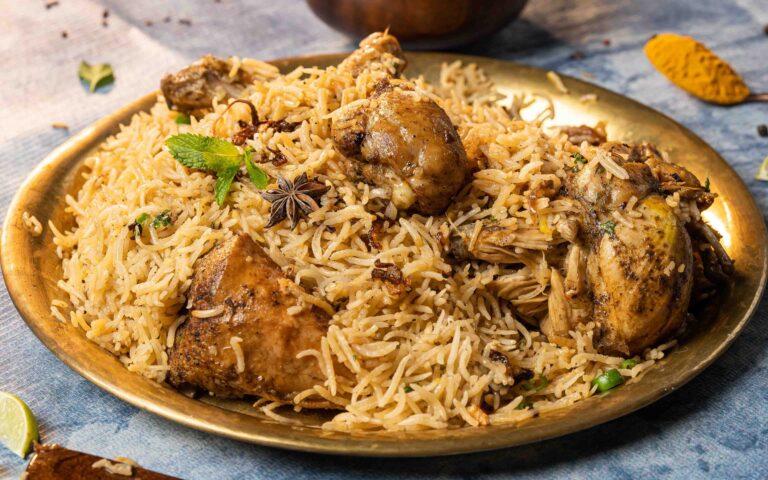
Sindhi Biryani: A Step-by-Step Recipe

5 Stars 4 Stars 3 Stars 2 Stars 1 Star

No reviews

From the ancient banks of the Indus to the smoky kitchens of Karachi — the story of a biryani unlike any other.

The Best Cuts of Meat for Sindhi Biryani

One of the most consequential decisions in making authentic Sindhi Biryani is the choice of meat and the specific cut. Each protein brings a different texture, fat content, and depth of flavor to the dish.

Mutton (Goat/Lamb) — The Traditional Choice

Mutton is the gold standard for traditional Sindhi Biryani. Its higher fat content and deeper flavor create a richer masala, and the bones release collagen during cooking, giving the sauce a body that beef and chicken simply cannot match.

  • Shoulder (Raan/Dast): The best all-purpose cut for biryani. It has good marbling, stays moist during long cooking, and absorbs spices deeply.
  • Ribs (Chaamp): Excellent flavor due to fat around the bones. Adds richness to the masala.
  • Neck (Gardan): Heavily marbled and gelatinous, ideal for slow cooking.
  • Shanks (Nali): The bone marrow adds extraordinary depth. A luxury addition.
  • Bone-in pieces (mixed): Most authentic recipes use a mix of bone-in pieces — the bone releases gelatin and flavor that boneless meat simply cannot replicate.

Beef — The Karachi Favorite

In urban Karachi, beef biryani has become enormously popular, partly for its affordability and partly because the flavor of slow-cooked beef can be spectacular.

  • Brisket (Seena): Rich in connective tissue and fat, brisket becomes meltingly tender after slow cooking and absorbs spices beautifully.
  • Chuck (Dast/Kandha): Excellent marbling, good for biryani as it holds together without becoming stringy.
  • Short ribs (Choti Pattian): Fatty and flavorful, they add a luxurious quality to the masala.
  • Shank (Nali Beef): Bone-in beef shank is prized for its marrow. Adds incredible richness.

Chicken — The Weekday Option

Chicken Sindhi Biryani has grown in popularity as a quicker, lighter alternative. While purists may insist on mutton, a well-made chicken version can be deeply satisfying.

  • Whole chicken, cut into 8–10 pieces (bone-in): Bone-in pieces are essential — boneless chicken loses moisture and flavor.
  • Thighs and drumsticks: The most flavorful parts. Higher fat content than breast.
  • Total Time: 2 Hours 45 Minutes
  • Yield: 2.5 to 3 kilograms of cooked Sindhi biryani enough to feed 6 to 8 people,

Ingredients

Ingredients
For the Meat Masala:
1 kg mutton (bone-in shoulder and ribs, cut into medium pieces)
1 cup plain yogurt, whisked
4 medium tomatoes, roughly chopped
4 medium onions, thinly sliced (for frying)
1 cup cooking oil or ghee
8–10 green chilies, whole or slit
10–12 dried plums (aloo bukhara)
2 tsp red chili powder
1 tsp turmeric
2 tsp coriander powder
1 tsp cumin powder
1 tbsp ginger-garlic paste
Salt to taste
1 tsp garam masala
Handful of fresh coriander and mint leaves
Whole Spices for Masala:
2 bay leaves
4 cloves
1 cinnamon stick
4 green cardamom pods
1 black cardamom pod
1 tsp cumin seeds
6–8 black peppercorns
For the Rice:
750g basmati rice, soaked for 30 minutes
Water for boiling:
2 tsp salt
1 cinnamon stick
4 cloves
2 bay leaves
1 tsp cumin seeds

Instructions

Method

Step 1 — Fry the Onions: Heat oil in a large heavy-bottomed pot. Fry the sliced onions until deep golden-brown and crisp. Remove and set half aside for layering. Leave the remaining oil and onions in the pot.

Step 2 — Bloom the Whole Spices: In the same pot with remaining oil, add all whole spices (bay leaves, cloves, cinnamon, cardamom, cumin, peppercorns). Fry for 30 seconds until fragrant.

Step 3 — Build the Masala: Add the ginger-garlic paste and cook for 2 minutes. Add the meat pieces and sear on high heat for 5–7 minutes until the meat changes color. Add red chili powder, turmeric, coriander powder, cumin powder, and salt. Stir well to coat the meat.

Step 4 — Add Tomatoes and Yogurt: Add the chopped tomatoes and cook until they break down completely (about 10 minutes). Reduce heat to medium, add the whisked yogurt gradually, stirring continuously to prevent curdling. Add the dried plums and whole green chilies.

Step 5 — Slow Cook the Meat: Add ½ cup of water, cover tightly, and simmer on low heat for 45–60 minutes until the meat is tender and the oil begins to separate (this is called bhunna — a critical step in South Asian cooking that develops flavor depth). Add the par-boiled potatoes in the last 15 minutes of cooking. Finish with garam masala. The masala should be thick and clingy, not watery.

Step 6 — Parboil the Rice: In a large pot, bring water to a rolling boil. Add salt, whole spices, and the soaked basmati rice. Cook until the rice is 70% done — it should still have a slight bite in the center. Drain immediately and set aside.

Step 7 — Layer the Biryani: In your cooking pot (or a fresh large pot), spread the meat masala evenly as the bottom layer. Cover with a generous layer of parboiled rice. Scatter fried onions, fresh coriander, and mint leaves over the rice. If using food color, drizzle it over the top in a few spots for the classic marbled effect. Repeat with a second layer of rice if needed.

Step 8 — Dum (Steam Cooking): Seal the pot tightly — use a tight-fitting lid sealed with dough, or place a heavy cloth under the lid to trap all steam. Place the pot on high heat for 5 minutes, then reduce to the lowest possible flame and cook for 20–25 minutes. This slow steaming is the final act of alchemy that transforms layers into a unified dish.

Step 9 — Rest and Serve: Remove from heat and let the biryani rest, covered, for 10 minutes before opening. When you lift the lid, the aroma should be enough to call the entire household to the table. Serve with raita (yogurt sauce), kachumber salad, and wedges of lemon.

Notes

  • Avoid breast-only: Chicken breast dries out quickly and contributes little to the masala’s depth.
  • Avoid: Lean Beef cuts like sirloin or round — they become dry and tough in biryani.

The best Sindhi Biryani is never a recipe — it is a memory, passed from hand to hand, one generation feeding the next.

  • Author: Recipes At Door
  • Prep Time: 45 Minutes
  • Cook Time: 2 Hours
  • Category: Lunch
  • Method: Boiling, Frying, Slow Cooking
  • Cuisine: Indian
  1. Can I make Sindhi Biryani without a pressure cooker?

    Absolutely. This recipe does not require one. The meat cooks in the masala on the stovetop. If you are using beef or tougher mutton cuts and want to save time, you can pressure cook the marinated meat for 2–3 whistles before adding it to the masala.

  2. What is aloo bukhara and can I substitute it?

    Aloo bukhara are dried plums — small, tart, dried stone fruits available at South Asian grocery stores. They provide the characteristic sour note unique to Sindhi Biryani. If unavailable, you can use a small amount of tamarind paste (1 teaspoon) or even a few pieces of dried apricot plus a splash of lemon juice as a rough substitute, though the flavor will differ slightly.

  3. My biryani rice always turns mushy. What am I doing wrong?

    The most common culprit is overboiling the rice during the parboiling stage. The rice must still have a firm, chalky center when it goes into the dum. Also ensure you are not adding too much water to the meat layer — excess liquid steams the rice unevenly and can make it soggy.

  4. Q4: Can I make this biryani ahead of time?

    Yes. You can prepare the meat masala (Steps 1–4) up to a day ahead and refrigerate it. On the day of serving, simply parboil the rice, layer, and do the final dum. Fully assembled Sindhi Biryani also reheats very well. Reheat gently in the pot with a sprinkle of water to create fresh steam

  5. How spicy is Sindhi Biryani and can I reduce the heat?

    Sindhi Biryani is traditionally quite spicy. You can reduce the number of dried red chillies and cut the red chilli powder by half for a milder version without sacrificing the overall flavor profile. Serving with a generous raita also helps temper the heat.

  6. Can I use store-bought biryani masala instead of whole spices?

    You can, but the flavor will be noticeably less fresh and complex. If you must, use a good-quality Sindhi Biryani masala mix and reduce the additional ground spices accordingly to avoid over-seasoning.

  7. Is Sindhi Biryani the same as Karachi Biryani?

    They are closely related and often used interchangeably, but there are subtle differences. Karachi-style biryani typically uses a stronger tomato base and more chillies, while the classic Sindhi style leans more on yogurt and dried plums for its base flavor. Many popular Karachi restaurants serve their own hybrid version.